- +91-7291 83 8484
- Medmeds, Delhi, india
- support@medmeds.in
Symptoms of Lung Problems: Causes, Signs, Prevention, and Treatment
Lungs are among the most important organs in the human body, playing a vital role in keeping you alive and healthy. They work continuously to supply oxygen to every cell while removing carbon dioxide, a waste product produced during normal body functions. Every breath you take supports essential processes such as energy production, brain function, and the proper functioning of your heart, muscles, and other organs. Healthy lungs allow you to perform everyday activities like walking, exercising, climbing stairs, working, and sleeping without discomfort. However, when the lungs become damaged due to infections, smoking, air pollution, allergies, or chronic respiratory diseases, their ability to function efficiently begins to decline.
This can lead to symptoms such as persistent coughing, shortness of breath, wheezing, chest pain, fatigue, and frequent respiratory infections, all of which can significantly affect your daily life and overall well-being.Lung problems can develop suddenly because of illnesses such as pneumonia or bronchitis, or they may progress gradually over several years due to conditions like asthma, chronic obstructive pulmonary disease (COPD), emphysema, or lung cancer.
Many people ignore early warning signs, assuming they are caused by a common cold or seasonal allergies. However, delaying medical attention can allow the condition to worsen and increase the risk of serious complications, including permanent lung damage and reduced oxygen levels. Fortunately, many lung diseases can be effectively managed or even prevented through early diagnosis, proper treatment, healthy lifestyle choices, and regular medical checkups.
Avoiding smoking, reducing exposure to air pollution, staying physically active, eating a nutritious diet, and following your doctor's recommendations can all contribute to healthier lungs. In this article, you'll learn about the most common symptoms of lung problems, their causes, risk factors, available treatment options, preventive measures, and practical tips to help protect your respiratory health and maintain healthy breathing for years to come.
What are lung problems?
Lung problems refer to a broad range of diseases and medical conditions that affect the lungs, airways, or the entire respiratory system. These conditions can interfere with the lungs' ability to deliver oxygen to the body and remove carbon dioxide efficiently, leading to breathing difficulties and other health complications. Some lung diseases develop suddenly due to bacterial or viral infections, while others progress gradually over months or years because of long-term exposure to cigarette smoke, air pollution, harmful chemicals, or underlying chronic medical conditions. In some cases, genetic factors or autoimmune diseases may also contribute to the development of lung disorders.
Common lung conditions include asthma, chronic obstructive pulmonary disease (COPD), pneumonia, tuberculosis (TB), lung cancer, bronchitis, pulmonary fibrosis, and emphysema. Each of these conditions affects the lungs differently. For example, asthma causes inflammation and narrowing of the airways, pneumonia is an infection that inflames the air sacs, while COPD and emphysema gradually damage lung tissue and reduce airflow. Lung cancer involves the uncontrolled growth of abnormal cells within the lungs, whereas pulmonary fibrosis causes scarring that makes breathing increasingly difficult.Although these conditions vary in their causes, severity, and treatment options, they often share common symptoms such as a persistent cough, shortness of breath, wheezing, chest pain, excessive mucus production, fatigue, and frequent respiratory infections.
Recognizing these warning signs early is important because prompt diagnosis and treatment can help slow disease progression, prevent complications, and improve overall lung function and quality of life. If you experience ongoing breathing difficulties or persistent respiratory symptoms, consulting a healthcare professional is essential for proper evaluation and care.
Symptoms of Lung Problems
Persistent Cough
A cough that lasts for more than three weeks is one of the most common signs of a lung problem. It may be dry or produce mucus and can indicate conditions such as bronchitis, pneumonia, asthma, tuberculosis, or even lung cancer. If your cough worsens over time or is accompanied by blood, immediate medical attention is necessary.
Shortness of Breath
Difficulty breathing during everyday activities or even while resting can be a sign that the lungs are not working efficiently. Shortness of breath may occur due to asthma, COPD, pneumonia, pulmonary fibrosis, or heart-related conditions affecting the lungs.
Chest Pain
Lung-related chest pain often becomes worse when taking a deep breath, coughing, or laughing. Sharp or persistent chest pain may result from lung infections, inflammation, blood clots, or tumors and should always be evaluated by a healthcare professional.
Wheezing
Wheezing is a high-pitched whistling sound heard while breathing. It usually occurs when the airways become narrowed or blocked. Asthma, allergies, COPD, and respiratory infections are common causes of wheezing. Excessive Mucus Production
Excessive Mucus Production
The lungs naturally produce mucus to trap dust and germs. However, producing excessive mucus for several weeks may indicate chronic bronchitis, COPD, or a respiratory infection.
Coughing Up Blood
Even a small amount of blood in your cough should never be ignored. It can be associated with serious conditions such as tuberculosis, lung cancer, severe infections, or pulmonary embolism.
Fatigue and Weakness
When the lungs cannot supply enough oxygen to the body, you may experience constant tiredness, weakness, or reduced physical endurance. Fatigue is often one of the earliest symptoms of chronic lung disease.
Frequent Chest Infections
Repeated respiratory infections, such as bronchitis or pneumonia, may indicate an underlying lung disorder that requires further evaluation and treatment.
How Do Lung Problems Happen?
Lung problems occur when the respiratory system becomes damaged or inflamed. This can happen because of infections, long-term exposure to harmful substances, or chronic diseases.
Some common ways lung problems develop include:
Airway Inflammation
Inflammation causes the airways to swell and narrow, making it difficult for air to pass through. This commonly occurs in asthma and bronchitis.
Lung Tissue Damage
Diseases such as emphysema and pulmonary fibrosis damage lung tissue, reducing the lungs' ability to exchange oxygen and carbon dioxide effectively.
Infections
Viruses, bacteria, or fungi can infect the lungs, leading to inflammation and fluid buildup. Pneumonia and tuberculosis are common examples.
Airway Blockage
Tumors, mucus, or foreign objects can block the airways, making breathing difficult and reducing oxygen supply.
Essential Ingredients That Support Better Breathing and Lung Health
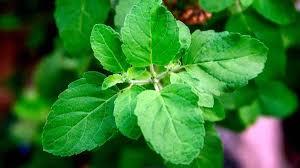
Tulsi, also known as Holy Basil, is a powerful herb valued for its anti-inflammatory, antioxidant, and immune-supporting properties. It helps protect the respiratory system from environmental pollutants and allergens while promoting clear airways. Regular use of Tulsi may support easier breathing, enhance lung function, and contribute to overall respiratory wellness.
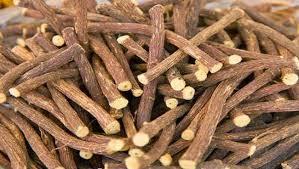
Mulethi, commonly known as Licorice, is widely used for its soothing effects on the throat and respiratory tract. It helps calm irritation, reduce discomfort, and support healthy mucus balance. Its natural anti-inflammatory properties may promote easier breathing, making it beneficial for maintaining healthy lungs and respiratory function.
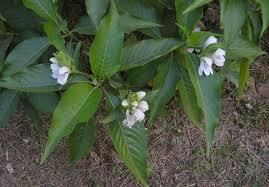
Vasaka
Vasaka is a renowned herb traditionally used to support respiratory health and lung function. It helps maintain clear airways, supports healthy breathing, and assists in managing respiratory discomfort. Rich in natural compounds, Vasaka is often used to promote overall respiratory wellness and improve the body's ability to breathe comfortably.

Pippali, also known as Long Pepper, is a powerful herb that supports respiratory strength and vitality. It helps improve lung function, promotes healthy oxygen utilization, and supports the body's natural respiratory processes. Traditionally used in , Pippali may also enhance the effectiveness of other herbs while supporting overall breathing comfort.
Treatment for Lung Problems
Treatment for lung problems depends on the underlying cause, the severity of the condition, and your overall health. Some respiratory illnesses can be treated with medications and lifestyle changes, while more advanced conditions may require oxygen therapy, pulmonary rehabilitation, or surgery. An accurate diagnosis is essential to ensure you receive the most effective treatment. Common treatment options include:
- Antibiotics: Used to treat bacterial lung infections such as bacterial pneumonia and certain cases of bronchitis. They are not effective against viral infections.
- Antiviral Medications: Prescribed for specific viral respiratory illnesses, such as influenza or COVID-19, when appropriate.
- Bronchodilators: These medications relax the muscles around the airways, making it easier to breathe. They are commonly used to manage asthma and chronic obstructive pulmonary disease (COPD).
- Corticosteroids: Help reduce inflammation in the airways and improve breathing, especially in people with asthma or severe COPD.
- Oxygen Therapy: Recommended for patients with low blood oxygen levels to ensure the body's organs receive enough oxygen.
- Pulmonary Rehabilitation: A structured program that includes breathing exercises, physical activity, education, and nutritional guidance to improve lung function and quality of life.
- Surgery or Lung Transplantation: In severe cases, surgery may be required to remove damaged lung tissue or treat lung cancer.
A lung transplant may be considered for advanced, life-threatening lung disease.Always follow your healthcare provider's treatment plan, take medications exactly as prescribed, and never stop or change your treatment without consulting a medical professional.
When Should You See a Doctor?
It is important to seek medical attention if you experience persistent or worsening respiratory symptoms, as they may indicate an underlying lung condition that requires prompt diagnosis and treatment. Ignoring these warning signs can allow the disease to progress and increase the risk of serious complications. You should consult a healthcare professional if you notice any of the following symptoms:
- A cough lasting more than three weeks, especially if it does not improve with home care.
- Persistent shortness of breath, even during light activities or while resting.
- Chest pain while breathing or coughing, particularly if it is severe or recurring.
- Wheezing that does not improve with prescribed medications or continues to worsen.
- Coughing up blood, even in small amounts, as it may indicate a serious lung condition.
- Frequent lung or respiratory infections, such as repeated bronchitis or pneumonia.
- Unexplained weight loss accompanied by a chronic cough or breathing difficulties.
- Blue lips or fingertips, which may be a sign of low oxygen levels and require immediate emergency care.
Early diagnosis and timely medical treatment can significantly improve treatment outcomes, prevent permanent lung damage, and reduce the risk of life-threatening complications.If you experience sudden difficulty breathing, severe chest pain, or confusion, seek emergency medical care immediately.
Conclusion
The symptoms of lung problems should never be ignored, as they may indicate conditions ranging from mild infections to serious chronic diseases. Common warning signs include a persistent cough, shortness of breath, chest pain, wheezing, excessive mucus production, fatigue, and coughing up blood. Smoking, air pollution, infections, occupational hazards, and genetic factors are among the leading causes of lung disease.Fortunately, many lung problems can be prevented by avoiding tobacco, reducing exposure to pollutants, maintaining a healthy lifestyle, staying physically active, eating a nutritious diet, and receiving recommended vaccinations.
If you notice persistent breathing difficulties or other unusual respiratory symptoms, consult a healthcare professional promptly. Early diagnosis and appropriate treatment can protect your lung function, improve your quality of life, and reduce the risk of long-term complications.